
As the electric vehicle (EV) market continues to grow, technical competence, after-sales service capabilities, and regulatory compliance have become increasingly important for businesses entering the industry. Many entrepreneurs planning to become electric vehicle dealers focus primarily on vehicle sales while overlooking their after-sales service obligations. This can lead to regulatory challenges, operational delays, and reduced customer satisfaction.
The TSE K646 Certificate is one of the key standards for businesses operating in the electric vehicle sector. For companies planning to establish a reliable after-sales service network, it demonstrates technical competence, operational readiness, and a commitment to delivering high-quality service.
Why Is the TSE K646 Certificate Important for Electric Vehicle Dealers?
For electric vehicle owners, purchasing the vehicle is only the beginning of the customer journey. Routine maintenance, warranty repairs, diagnostics, technical support, and spare parts availability are all essential components of the ownership experience. As a result, EV dealers are expected to maintain a well-organized and professionally managed after-sales service network.
The TSE K646 Certificate confirms that a business meets defined technical and operational standards and is capable of providing after-sales services in accordance with industry requirements. For companies planning to establish an authorized service network, certification forms the foundation of a reliable and sustainable service operation.
Businesses intending to become electric vehicle dealers should consider their after-sales service responsibilities from the very beginning and ensure the necessary preparations are completed before launching operations.
After-Sales Service Responsibilities
After-sales service plays a critical role in maintaining customer satisfaction throughout the vehicle’s lifecycle. Once a vehicle has been delivered, maintenance, repairs, spare parts supply, and technical support must all be managed efficiently.
To meet these responsibilities, businesses are expected to have:
- Adequate technical equipment
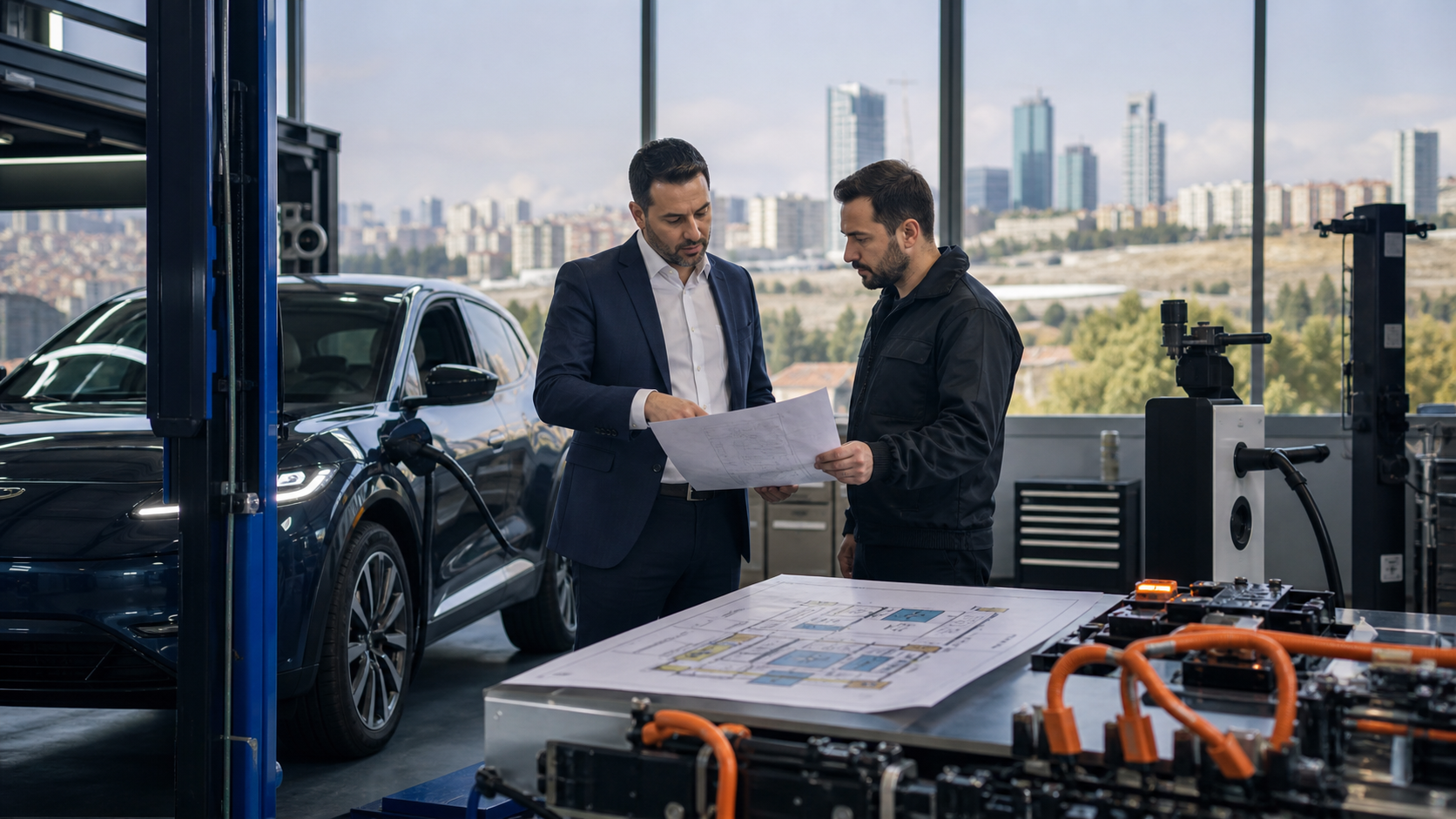
- Properly designed service facilities
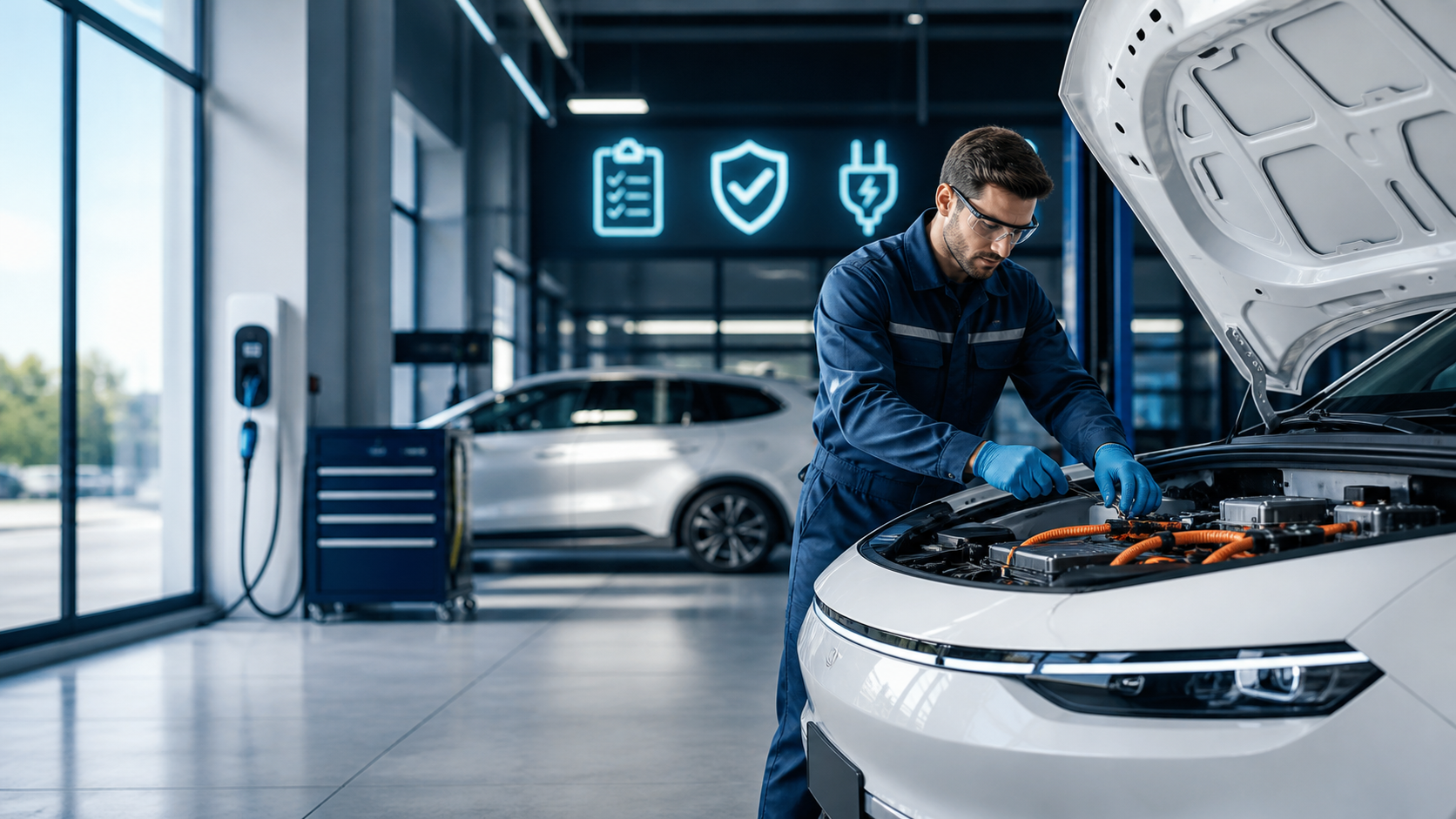
- Qualified and trained technical personnel
- Safe working procedures
- Well-planned maintenance and spare parts operations
One of the most common mistakes is focusing solely on vehicle sales while treating the service infrastructure as a secondary priority. Poor planning in after-sales operations can lead to customer complaints, operational inefficiencies, and unnecessary long-term costs.
Expert Tip: When planning your dealership, make the service organization, technical infrastructure, and staffing requirements an integral part of your overall business strategy.
Building Customer Trust and Corporate Reputation
Electric vehicle customers evaluate more than just the vehicle brand—they also consider the quality of the after-sales service they will receive. A strong technical infrastructure and compliance with recognized industry standards significantly enhance a company’s credibility.
A service organization established in accordance with the TSE K646 standard demonstrates:
- Professional service capabilities
- Greater customer satisfaction
- Enhanced brand reputation
- Increased corporate credibility
- A stronger competitive advantage
As electric vehicle technologies continue to evolve, customers increasingly prefer businesses that can demonstrate high levels of technical expertise and service quality.
Expert Tip: In addition to technical competence, maintaining accurate documentation and providing continuous employee training are essential for strengthening your company’s professional reputation.
The Benefits of Regulatory Compliance
For businesses operating in the automotive sector, regulatory compliance is not only a legal obligation but also a key factor in achieving sustainable long-term growth.
Companies that comply with applicable standards benefit from:
- Better preparation for regulatory inspections
- Reduced technical and operational risks
- More efficient and standardized business processes
- Higher customer satisfaction
- Improved corporate reputation
Conversely, some of the most common issues identified during certification include:
- Inadequate technical equipment
- Improperly planned service facilities
- Insufficient employee training
- Incomplete documentation
- Lack of preparation before inspections
These deficiencies can delay the certification process while also reducing operational efficiency.
Expert Tip: Before beginning the application process, conduct a comprehensive technical assessment of your current operations. Identifying and addressing deficiencies early can save both time and money.
Conclusion
Building a successful and sustainable electric vehicle business requires more than simply selling vehicles. Properly planned after-sales services, a well-designed technical infrastructure, and compliance with recognized industry standards are all essential for long-term success.
Preparing for the TSE K646 certification process at an early stage allows you to address potential deficiencies before they become costly problems and helps ensure a smoother, more efficient application process.
Whether you are planning to establish an electric vehicle dealership or develop an authorized service network, working with experienced TSE K646 consultants can help you complete the certification process more quickly, accurately, and confidently.